Annotating texts is one of the primary ways readers can interact with and understand a text on a deeper level. Below is an explication of how I use Digital Mappa to annotate two editions of a Victorian anatomical corsetry text.
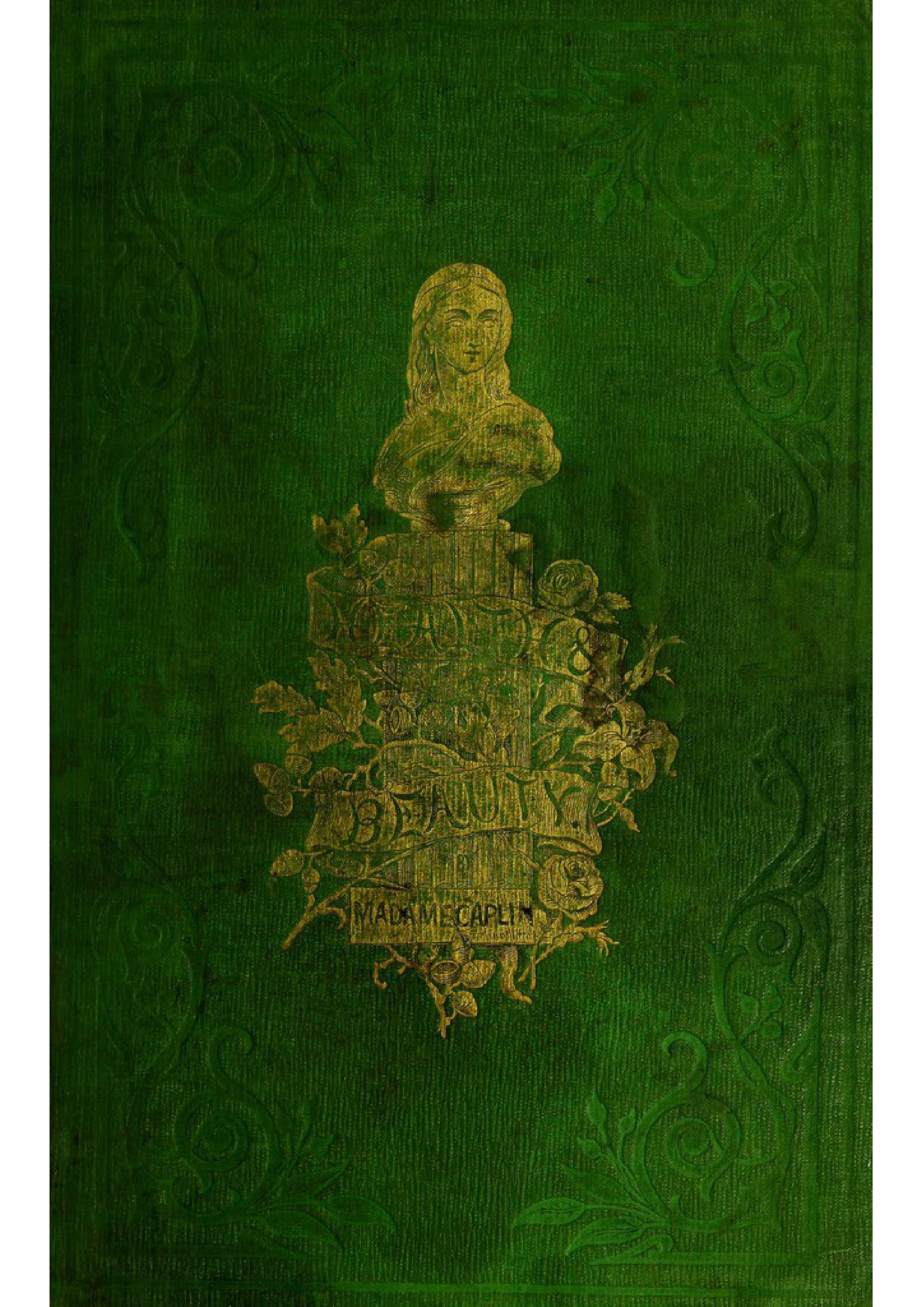
This Digital Mappa project presents an annotated “edition” of two versions of Roxey Ann Caplin’s Health and Beauty by a mid-Victorian corsetier and inventor who ran the Ladies’ Anatomical Gallery, a public anatomy museum designed specifically for women. Caplin is best known for promoting the “hygienic corset,” a form of medical corsetry that claimed to follow the physiological laws of the human body rather than the distortions of fashion. Her work circulated widely in the 1850s and 1860s, gaining extensive press attention and positioning her as a public-facing authority on women’s anatomy despite her distance from formal medical licensure.
I use quotation marks around “edition” to distinguish this project from a traditional annotated edition, which typically selects one version of a text and records variants in footnotes or endnotes. Here, Digital Mappa makes it possible to annotate both editions and read them side by side. The annotations track how Caplin’s language of health produces a nationalized ideal of white, able-bodied, heterosexual maternity.
-
Adobe Suite (PDF to JPG splitting), Digital Mappa
-
PDFs of each edition can be found at this link.
-